Poison Ivy Removal in Philadelphia, PA
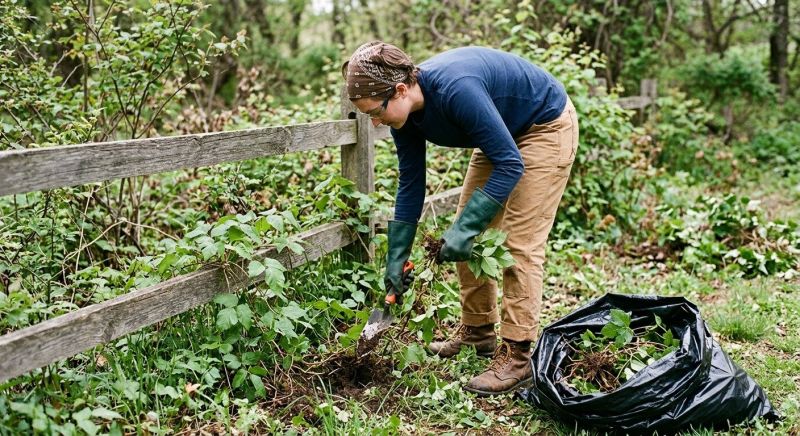
Poison ivy removal services focus on safely eliminating this common plant that can pose health risks to homeowners and their families. These services typically cover residential properties, including yards, gardens, wooded areas, fences, and other outdoor spaces where poison ivy may grow. Property owners often request removal when the plant has spread extensively, is located near play areas or patios, or poses a risk of contact for children, pets, or anyone enjoying the outdoor space. Understanding the extent of the poison ivy growth and its proximity to structures or frequently used areas is essential before requesting removal services.
Before requesting poison ivy removal, property owners should assess the size and location of the affected areas. It’s helpful to know whether the plant is growing in hard-to-reach spots or near valuable landscaping, as this can influence the approach used for removal. Clarifying whether the plant has been recently identified and if there are any concerns about regrowth can also assist in planning the most effective solution. Proper removal often involves specialized techniques to ensure the plant is fully eradicated and does not return, making it important to consider the scope of the project and any safety precautions needed for surrounding vegetation or structures.
Many property owners in Philadelphia, PA look into Poison Ivy Removal for repairs, replacements, upgrades, and appearance-related improvements.
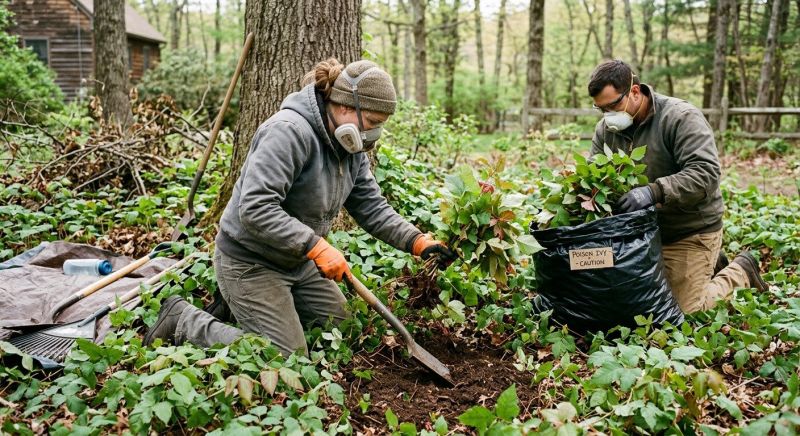
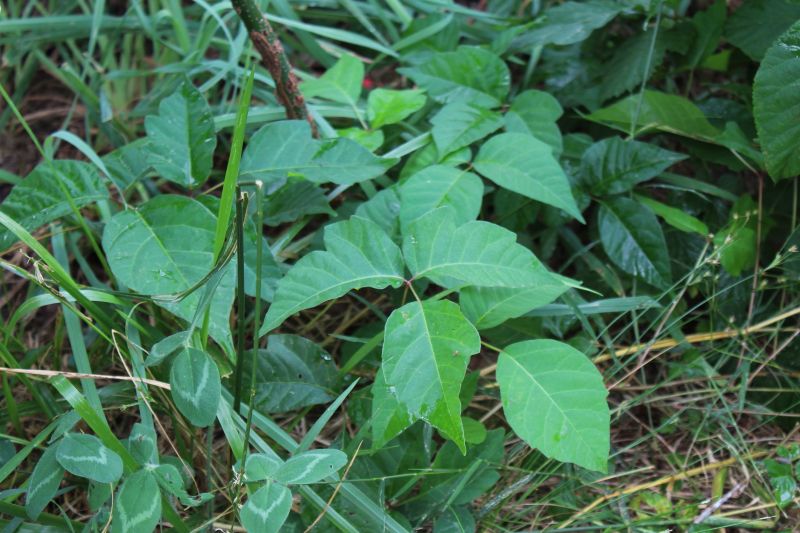
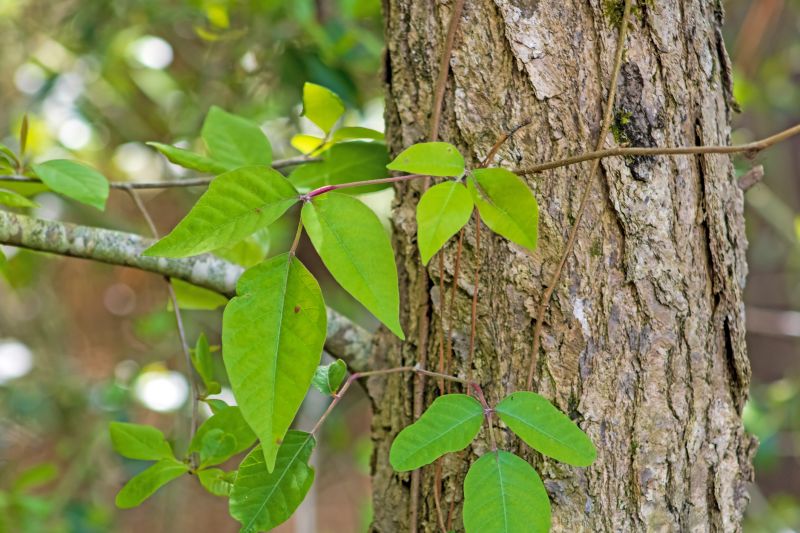
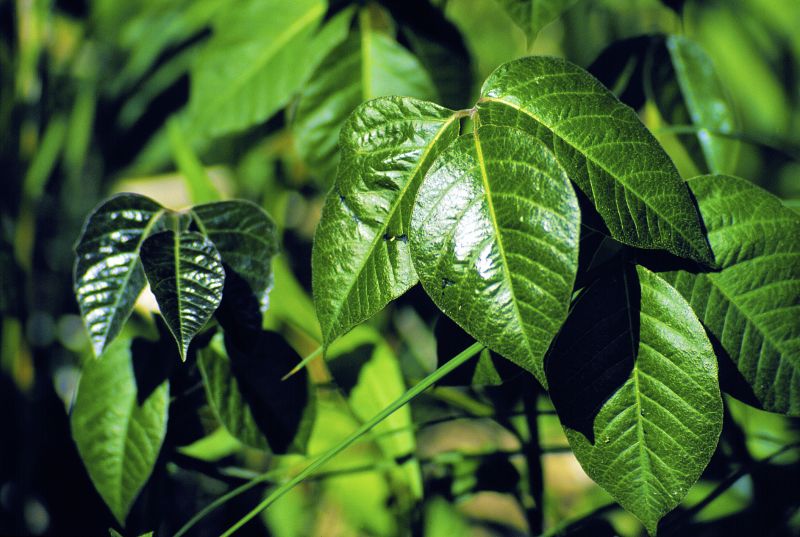
Identifying Poison Ivy
Recognizing the signs of poison ivy on residential and commercial properties in philadelphia.
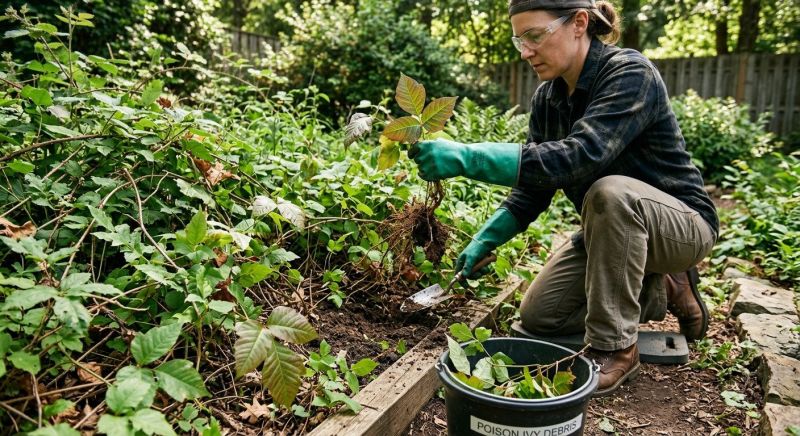
Safe Removal Methods
Using effective techniques to eliminate poison ivy without damaging surrounding plants or structures.
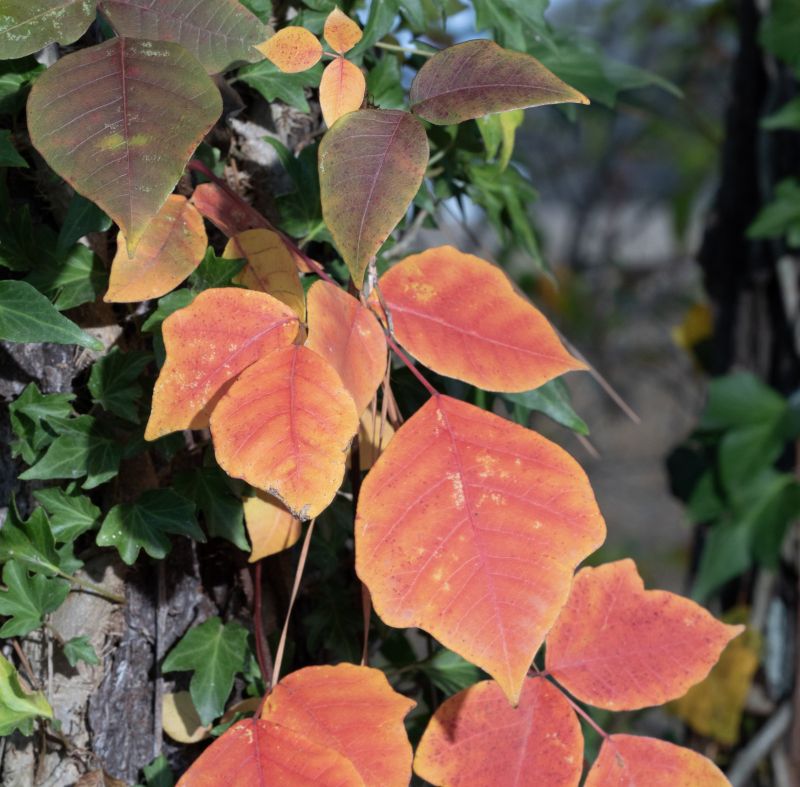
Preventing Regrowth
Implementing strategies to keep poison ivy from returning and protecting outdoor spaces in philadelphia.
Poison Ivy Removal in Philadelphia, PA
Poison ivy removal services focus on safely eliminating this common plant that can pose health risks to homeowners and their families. These services typically cover residential properties, including yards, gardens, wooded areas, fences, and other outdoor spaces where poison ivy may grow. Property owners often request removal when the plant has spread extensively, is located near play areas or patios, or poses a risk of contact for children, pets, or anyone enjoying the outdoor space. Understanding the extent of the poison ivy growth and its proximity to structures or frequently used areas is essential before requesting removal services.
Before requesting poison ivy removal, property owners should assess the size and location of the affected areas. It’s helpful to know whether the plant is growing in hard-to-reach spots or near valuable landscaping, as this can influence the approach used for removal. Clarifying whether the plant has been recently identified and if there are any concerns about regrowth can also assist in planning the most effective solution. Proper removal often involves specialized techniques to ensure the plant is fully eradicated and does not return, making it important to consider the scope of the project and any safety precautions needed for surrounding vegetation or structures.
Many property owners in Philadelphia, PA look into Poison Ivy Removal for repairs, replacements, upgrades, and appearance-related improvements.
Common Poison Ivy Removal Jobs
Poison Ivy removal involves safely eliminating invasive plants to protect landscape health.
Yard clearing includes removing poison ivy from lawns, gardens, and outdoor spaces.
Tree and shrub trimming helps prevent poison ivy from spreading to nearby plants.
Property cleanup involves clearing affected areas to reduce exposure risks.
Vegetation management targets controlling poison ivy growth along fences and property lines.
Landscaping services may include restoring areas after ivy removal for a clean appearance.
Poison Ivy Removal Questions
What is poison ivy removal? Poison ivy removal involves safely eliminating the plant from a property to prevent skin irritation and environmental spread.
When should poison ivy be removed? Removal is recommended when poison ivy is growing in high-traffic areas, near children or pets, or when it shows signs of spreading.
How is poison ivy removed? The process typically includes carefully cutting and disposing of the plants, sometimes using herbicides, to ensure complete eradication.
Is professional poison ivy removal necessary? Professional removal is advised to safely handle the plant and prevent accidental contact or spread during the process.
Request Poison Ivy Removal in Philadelphia, PA
Use the quote form on this page to share the basics of your project and request more information for the type of work you need.